Posts

HISTORY12 - Albuquerque
Image
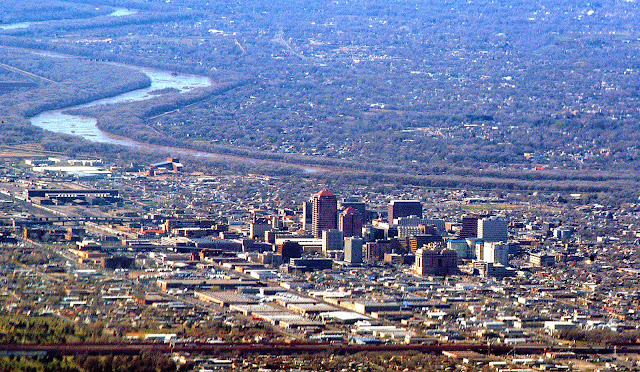
Pat and I are planning to attend the International Balloon Fiesta in Albuquerque, New Mexico in October, so ahead of that visit, I wanted to know about the city’s history.  In this blog, I’m going to try to compare New Mexico and Albuquerque history with that of Arizona and Tucson - which I’ve been writing about for years. Albuquerque is the most populous city in the state of New Mexico with an estimated population of 560,218 in 2018.  It is located in the north center of the state, at an (average) altitude of 5,312 feet, with the Sandia Mountains running along the eastern side and the Rio Grande River flowing through city, west of the downtown area.  The city was named after a Spanish town with a similar name, is known locally as Duke City, and abbreviated as ABQ. Earliest Peoples Paleo-Indians.   New Mexico’s first people were descendants of people who followed herds of large game animals from Siberia across a land bridge in the Bering Strai...
HISTORY11 - Central Colorado

Image
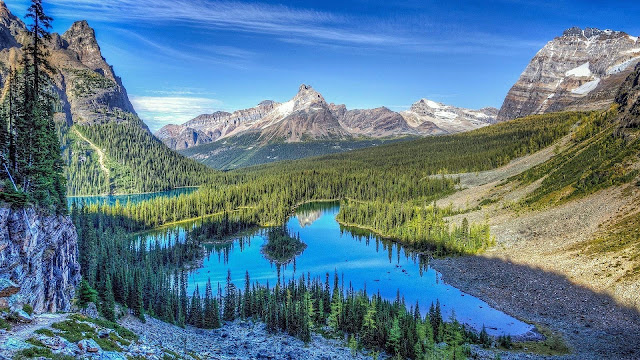
Pat and I will be touring central Colorado in September so as usual I wanted to know more about the history of the region beforehand.   This post will highlight the history of the places we will visit. Colorado became a U.S. state on August 1, 1876 as the “Centennial State,” because it was admitted to the Union one century after the signing of the Declaration of Independence.   The state was named for the Colorado River, which early Spanish explorers named the Rio Colorado for the red silt the river carried from the mountains.   Today Colorado is the eighth largest U.S. state by area and the 21 st most populous with almost six million people.   Colorado is known for its vivid landscape of mountains, forests, high plains, mesas, canyons, plateaus, rivers, and deserts.   The Rocky Mountains slice north-south through the state, along the Continental Divide, with more than 1,100 mountain peaks higher than 10,000 feet - 53 of them rising higher than 14...